Regulatory Shifts Impacting Slot Innovation in Swiss Mobile Gaming Platforms
Theo Griffin · Aug 21, 2026
Regulatory Shifts Impacting Slot Innovation in Swiss Mobile Gaming Platforms
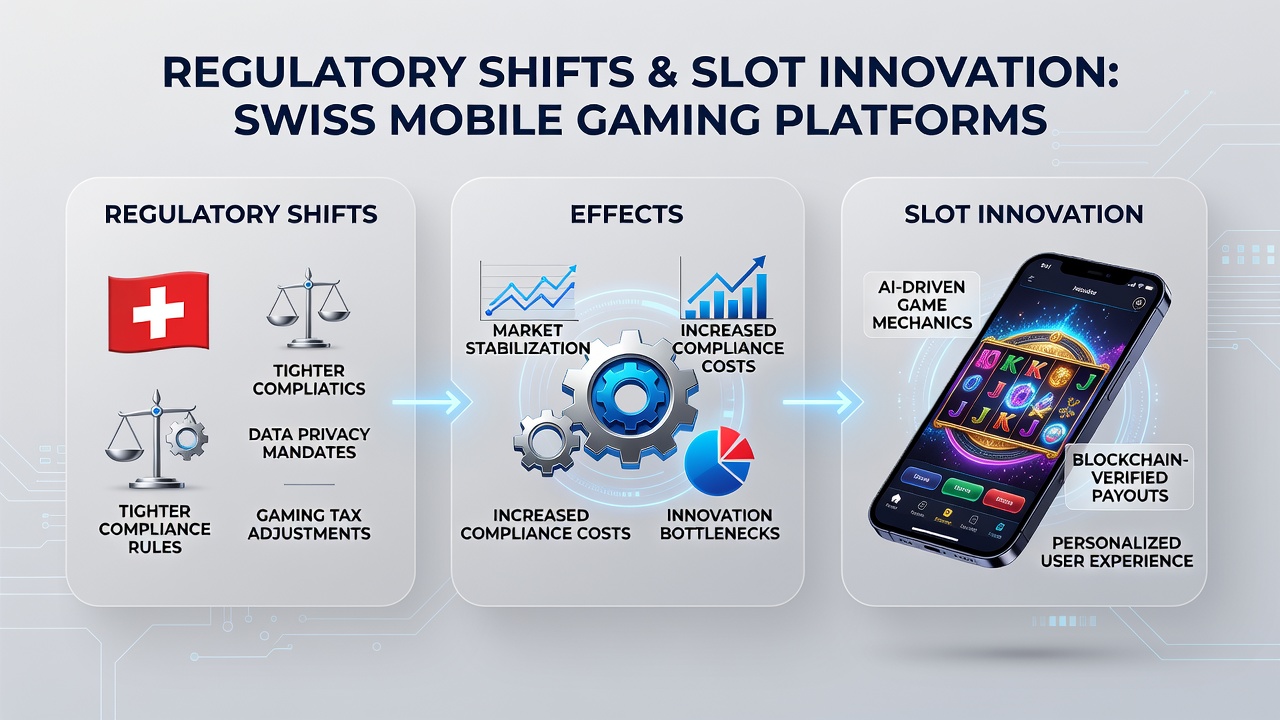
Switzerland's evolving gambling regulations have reshaped how developers approach slot games on mobile platforms, with new compliance layers introduced under the Federal Act on Games of Chance and its subsequent updates. These rules require licensed operators to integrate stricter player protection measures, including real-time spending limits and mandatory session timers, which directly influence game mechanics and payout structures. Developers must now design slots that accommodate these features without disrupting core gameplay loops, leading to innovations in modular bonus rounds and adaptive volatility settings that adjust based on user behavior data collected through licensed platforms.
Key Regulatory Changes Since 2019
The 2019 legislation opened the door for regulated online casinos in Switzerland, yet later amendments have tightened technical standards for mobile applications, particularly around random number generators and fair play certifications. Data from federal oversight bodies shows that by mid-2025, over 80 percent of approved mobile slots incorporated enhanced verification protocols that sync with national ID systems. This integration forces studios to collaborate more closely with compliance teams early in the development cycle, resulting in games that embed identity checks seamlessly into loading sequences rather than as separate pop-ups. Observers note that such requirements have accelerated the adoption of cloud-based testing environments, allowing developers to simulate regulatory audits before submission.
August 2026 marks the deadline for full implementation of updated mobile-specific guidelines that emphasize cross-device compatibility and data encryption standards. Platforms operating in the Swiss market have already begun rolling out updates to meet these benchmarks, which include limits on autoplay sequences and mandatory cooling-off prompts after extended play sessions. These adjustments have prompted creators to experiment with narrative-driven slots where story progression replaces traditional spin streaks, maintaining engagement while aligning with session management rules.
Effects on Mobile Slot Design and Features
Research indicates that Swiss regulatory demands have shifted focus toward games with built-in responsible gambling tools, such as customizable loss limits displayed directly on the interface. Developers respond by creating slots with dynamic payline systems that scale according to player-selected risk thresholds, a technique that satisfies both entertainment goals and oversight requirements. Industry reports highlight how smaller studios have pivoted to HTML5 frameworks optimized for Swiss servers, reducing latency issues that previously triggered compliance flags during high-traffic periods.
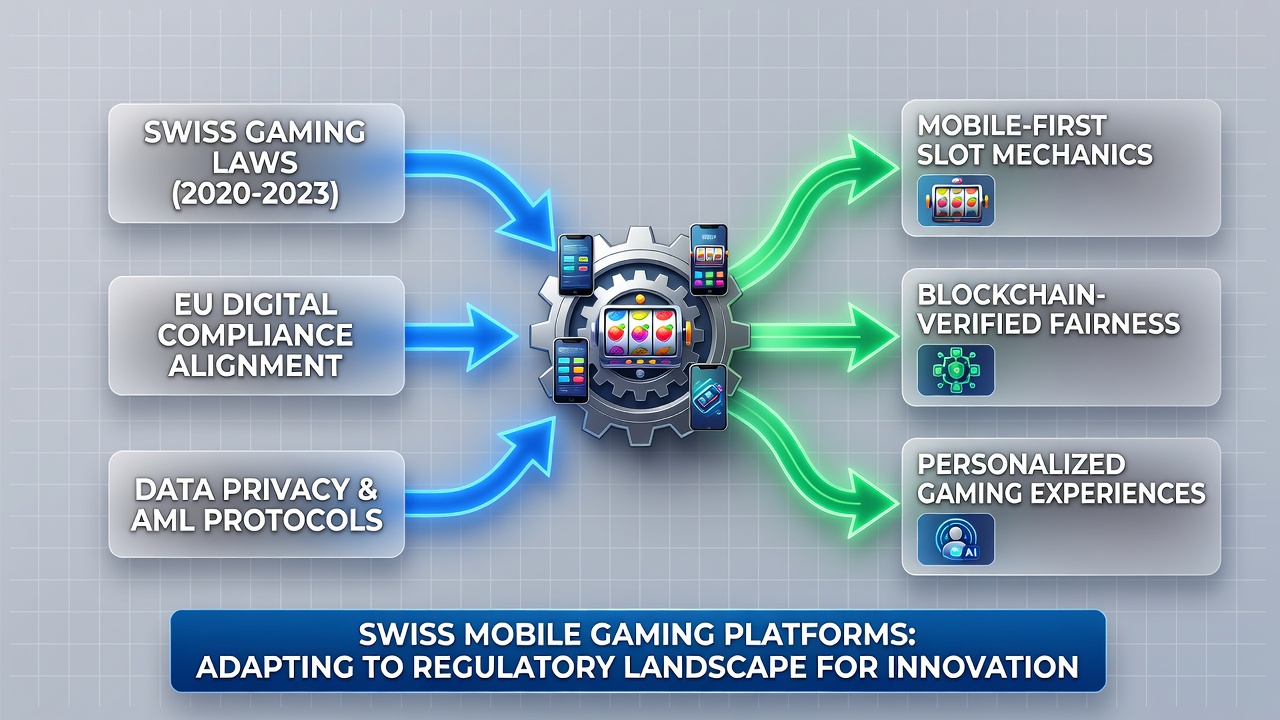
Take one developer who integrated Swiss-mandated reality checks into a popular fruit-themed title, replacing static bonus wheels with interactive decision trees that pause play at set intervals. This approach not only meets federal criteria but also introduces new layers of player choice, turning regulatory hurdles into distinctive gameplay elements. Evidence suggests similar patterns across multiple platforms, where innovation centers on personalization engines that tailor reel speeds and soundscapes to individual session histories while staying within approved parameters.
Industry Responses and Technical Adaptations
According to data compiled by the Swiss Federal Gaming Board, license applications for mobile slot titles rose 35 percent between 2023 and 2025, driven largely by studios adapting to these tighter rules. Companies now allocate significant resources to legal review stages, embedding regulatory specialists within creative teams to flag potential violations during prototyping. This collaboration yields hybrids like progressive jackpot systems that cap contributions automatically when players approach daily thresholds, a feature absent in less regulated markets. What's interesting is how these constraints have fostered partnerships with European research institutions studying behavioral analytics, helping refine algorithms that predict and mitigate excessive play patterns in real time.
Yet the landscape continues to evolve, with upcoming standards expected to address virtual reality integrations on mobile devices. Developers anticipate that future slots will need to incorporate spatial audio cues and gesture-based controls that remain compatible with existing protection frameworks. A study from a Canadian academic source on international gambling tech shows parallel trends in other jurisdictions, where similar rules spurred advancements in touch-optimized interfaces that double as compliance monitors.
Conclusion
Swiss regulatory shifts continue to steer slot innovation on mobile platforms toward more integrated, player-aware designs that balance entertainment with mandatory safeguards. As August 2026 approaches, operators and developers alike focus on scalable solutions that accommodate both current mandates and anticipated expansions in oversight. The result is a market where technical creativity thrives within clearly defined boundaries, producing games that reflect the intersection of policy and digital entertainment trends. External links to further reading include reports from the Swiss Federal Office of Justice and analyses published by the Australian Gambling Research Centre, which provide additional context on comparable regulatory environments.